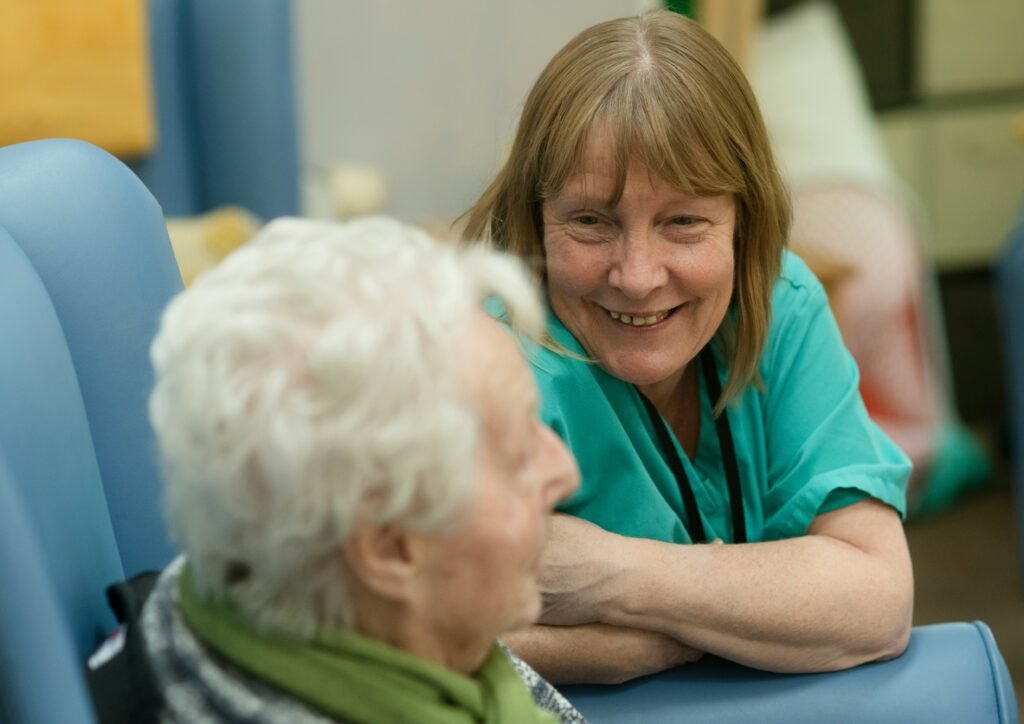
Dementia care at home means supporting a loved one with Alzheimer’s or another form of dementia in the familiar surroundings they know best. With a calm routine, a safe environment, gentle communication, and trained help, many people with dementia can stay comfortably in their own homes for years. Staying home often reduces confusion and anxiety because everything feels familiar. September is World Alzheimer’s Month, a fitting time for New Jersey families to learn how thoughtful in-home care can bring comfort to a loved one and peace of mind to the whole family.
Why Is a Familiar Environment So Helpful?
For someone living with dementia, a familiar home can be deeply comforting. The favorite chair, the view from the kitchen window, and the daily rhythm of a known space all provide a sense of security when memory is fading. New or unfamiliar places can cause stress, agitation, and confusion, so keeping a loved one in their own home often helps them feel calmer and more like themselves.
Home care also allows for one-on-one attention. Instead of sharing a caregiver’s time with many others, your loved one receives personal, focused support shaped around their habits, history, and needs.
The Building Blocks of Good Dementia Care at Home
Structured Daily Routines
Predictable routines reduce confusion and anxiety. When meals, activities, rest, and bedtime happen around the same time each day, the world feels more manageable. A steady routine also helps with sleep and mood.
A caregiver can gently guide each part of the day, from morning care to evening wind-down, while staying flexible when your loved one is having a harder day.
Safety and Wandering Prevention
Dementia can affect judgment and awareness, which raises the risk of falls, kitchen accidents, and wandering. A safe home environment is essential.
Helpful steps include:
- Removing tripping hazards and securing rugs
- Locking away medications, cleaning supplies, and sharp objects
- Adding locks or alarms on doors if wandering is a concern
- Keeping the home well lit, especially at night
- Labeling rooms or drawers to ease confusion
A caregiver provides supervision and a watchful presence, which is one of the most important safeguards against wandering and accidents.
Cognitive Engagement
Gentle mental and social activity helps a person with dementia stay engaged and can lift their mood. The goal is enjoyment, not testing.
Good options include music from their younger years, looking through old photos, simple crafts, folding laundry together, gardening, or short walks. A caregiver tailors these activities to what your loved one still enjoys and can do.
Calm Communication Techniques
How we speak to someone with dementia matters as much as what we say. Calm, patient communication reduces frustration for everyone.
Simple techniques include:
- Speaking slowly and clearly, using short sentences
- Making eye contact and using a warm, gentle tone
- Asking one question at a time
- Avoiding arguing or correcting; instead, gently redirecting
- Allowing extra time for a response
Our caregivers are experienced in these approaches and bring patience and kindness to every interaction.
Supporting the Whole Family
Caring for a loved one with dementia is an act of love, but it can also be exhausting. Family caregivers often feel stretched thin, worried, and unsure where to turn. In-home dementia care does not just help the person with dementia. It supports the entire family.
With respite care, family members can rest, work, run errands, or simply recharge, knowing a trained caregiver is present. This relief helps prevent burnout and allows families to be more patient and present during the time they do spend together. Our team also keeps families informed and works closely with the supervising Registered Nurse who oversees the care plan.
Signs It May Be Time for Specialized In-Home Dementia Care
Every family’s situation is different, but certain signs often mean it is time to bring in extra support:
- Increased wandering or getting lost in familiar places
- Trouble with bathing, dressing, or other daily tasks
- Missed meals or unsafe behavior in the kitchen
- Greater confusion, agitation, or changes in mood
- A family caregiver who feels overwhelmed or burned out
- Safety concerns when your loved one is alone
If you are seeing these signs, it does not mean you have failed. It means your loved one’s needs have grown, and reaching out for help is the caring, responsible choice.
How Hephzibah Supports Families Living With Dementia
At Hephzibah Healthcare Services, we provide non-medical Alzheimer’s and dementia care designed around comfort, safety, and dignity. Our caregivers are Certified Home Health Aides (CHHAs), and every care plan is created and supervised by a Registered Nurse (RN), so support is consistent and well organized.
Our caregivers assist with personal care, companionship, meal preparation, light housekeeping, supervision, and medication reminders. Please note that our caregivers provide reminders and encouragement only. They do not administer medication or provide medical treatment. For diagnosis, treatment, or any medical questions, we always defer to your loved one’s physician.
Frequently Asked Questions
Can someone with dementia really stay safe at home?
Many can, especially in the early and middle stages, when the home is made safe and a trained caregiver provides supervision and support. Your loved one’s doctor can help you understand what level of care is appropriate as needs change.
What is the difference between companion care and dementia care?
Companion care focuses on company and engagement, while dementia care adds specialized routines, safety measures, and communication approaches suited to memory loss. Many families use a blend of both.
Do your caregivers manage dementia medications?
No. Our caregivers offer medication reminders and encouragement only. They do not administer or adjust medications. Those decisions belong to your loved one’s doctor and pharmacist.
Ready to Get Started?
This World Alzheimer’s Month, let Hephzibah Healthcare Services walk beside your family. We offer warm, reliable, non-medical dementia care across New Jersey, and we are CAHC accredited, licensed, bonded, insured, and HIPAA compliant.
Call us today at (551) 299-9126 for a free consultation, or visit hephzibahealthcare.com/contact to learn how we can support your loved one and your family.