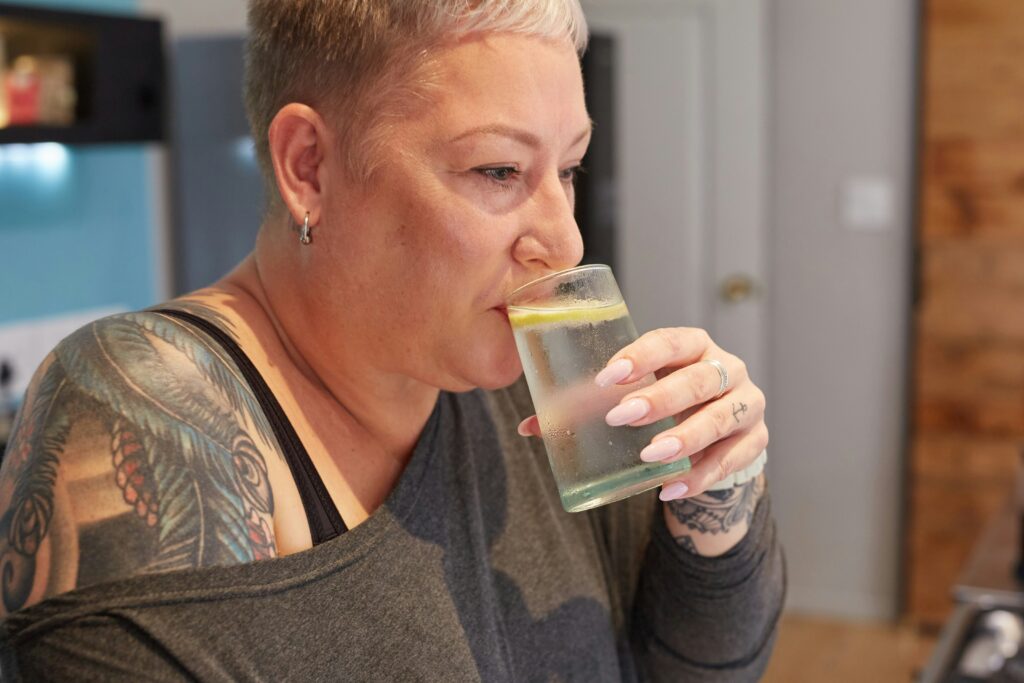
How Can You Keep Seniors Safe in Summer Heat?
The best summer safety tips for seniors come down to a few simple habits: drink water often, keep the home cool, stay out of the midday sun, dress lightly, and check in every day. Older adults are more vulnerable to heat, so a hot July afternoon in New Jersey can become dangerous faster than it would for a younger person. Watching for the early signs of heat illness, and acting quickly, can prevent a serious emergency.
If you care for an aging parent or spouse, summer brings real risks worth taking seriously. Here’s how to help your loved one stay cool, comfortable, and safe at home all season long.
Why Are Older Adults More Vulnerable to Heat?
As we age, the body becomes less able to manage heat. Several factors make seniors more at risk:
- The body sweats less and cools itself less easily.
- The sense of thirst weakens, so older adults may not feel thirsty even when dehydrated.
- Certain chronic health conditions affect how the body handles heat.
- Some medications can make a person more sensitive to heat or more likely to become dehydrated.
- Limited mobility can make it hard to get up for water or move to a cooler room.
New Jersey summers can bring stretches of high heat and humidity, and humidity makes it even harder for the body to cool down. That’s why a little planning goes a long way.
Warning Signs: Heat Exhaustion vs. Heat Stroke
Knowing the difference between heat exhaustion and heat stroke can save a life. Heat exhaustion is serious but can often be treated at home. Heat stroke is a medical emergency.
Signs of heat exhaustion
- Heavy sweating
- Cool, pale, or clammy skin
- Weakness or tiredness
- Dizziness or headache
- Muscle cramps
- Nausea
If you see these signs, move your loved one to a cool place, have them sip water, loosen clothing, and apply cool, damp cloths. If they don’t improve quickly, or if they get worse, get medical help.
Signs of heat stroke (call 911)
- A high body temperature
- Hot, red, dry, or damp skin
- A fast, strong pulse
- Confusion, slurred speech, or trouble staying awake
- Fainting
Heat stroke is a life-threatening emergency. Call 911 right away. While you wait, move the person to a cooler place and try to cool them down. Do not wait to see if they feel better on their own.
Simple Ways to Help Seniors Stay Hydrated
Because older adults may not feel thirsty, hydration needs a gentle plan rather than waiting for them to ask for water.
- Offer water regularly throughout the day, not just at meals.
- Keep a filled water bottle or cup within easy reach.
- Add variety with water-rich foods like watermelon, cucumber, oranges, and soups.
- Limit drinks that can dehydrate, such as a lot of caffeine or alcohol.
- Watch for signs of dehydration: dry mouth, dark urine, confusion, or feeling lightheaded.
If your loved one has a condition that limits fluids, follow their doctor’s guidance on how much to drink.
Keeping the Home Cool
Many heat emergencies among older adults happen indoors, especially in homes without good air conditioning. Help your loved one’s home stay safe.
- Use air conditioning when possible. If they don’t have it, plan a trip to a cool public place such as a library, mall, or senior center during the hottest hours.
- Close blinds or curtains during the day to block the sun.
- Use fans to move air, but remember fans alone may not be enough in very high heat.
- Keep the most-used rooms on the coolest, often lowest, level of the home.
- Avoid using the oven during peak heat.
New Jersey towns often open cooling centers during heat waves. It’s worth knowing where the nearest one is before you need it.
Sun Protection and Smart Timing
When your loved one does go outside, a few precautions help:
- Plan outdoor activities for early morning or evening, not midday.
- Use broad-spectrum sunscreen on exposed skin.
- Wear a wide-brimmed hat, sunglasses, and light, loose, light-colored clothing.
- Take breaks in the shade and bring water along.
Medications and Heat Sensitivity
Some common medications can affect how the body responds to heat or how well it stays hydrated. Because every person’s situation is different, never change or stop a medication on your own. Instead, ask your loved one’s doctor or pharmacist whether any of their prescriptions call for extra caution in hot weather. They can give advice that fits your loved one’s exact health needs.
Why Daily Check-Ins Matter
During a heat wave, a senior living alone can go downhill quickly and quietly. A daily check-in, in person or by phone, lets someone catch problems early: Is the home too warm? Are they drinking enough? Do they seem confused or unwell?
This is one of the most valuable things a caregiver provides in summer. A Certified Home Health Aide (CHHA) from Hephzibah Healthcare Services can:
- Encourage and offer fluids throughout the day
- Help keep the home cool and comfortable
- Prepare light, refreshing meals and snacks
- Provide medication reminders (our caregivers do not administer medication)
- Watch for early warning signs and alert family when something seems off
- Offer companionship so your loved one isn’t facing the heat alone
For any medical concern, our team always defers to the person’s doctor, and we call 911 in an emergency.
Frequently Asked Questions
What is the most important summer safety tip for seniors?
Staying hydrated and keeping cool are the top priorities. Because many older adults don’t feel thirsty, offer water often and make sure the home, especially the rooms they use most, stays cool during hot weather.
When should I call 911 for a heat-related problem?
Call 911 if you see signs of heat stroke: confusion, hot and dry skin, a high body temperature, fainting, or trouble staying awake. These are medical emergencies that need immediate help.
Can a caregiver help during a heat wave?
Yes. A caregiver can check in daily, encourage fluids, help keep the home cool, prepare light meals, and watch for warning signs, giving families peace of mind during hot New Jersey summers.
Ready to Get Started?
Don’t let the summer heat put your loved one at risk. Hephzibah Healthcare Services provides compassionate, RN-supervised in-home support to help New Jersey seniors stay safe, hydrated, and comfortable through the hottest days. Call our Rochelle Park office at (551) 299-9126 for a free, no-obligation consultation, or request one at hephzibahealthcare.com/contact. We’re here to help your family enjoy a safer, cooler summer.