Winter safety for seniors comes down to a few key things: staying warm enough to avoid hypothermia, preventing slips on ice and snow, heating the home safely, and being ready for storms or power outages. Older adults are more sensitive to cold and more likely to be injured in a fall, so a little planning makes a big difference. With the right steps, your loved one can stay safe, mobile, and comfortable all season long.
New Jersey winters bring icy sidewalks, sudden storms, and long stretches indoors. This guide walks through practical ways to keep an older parent or spouse protected from December through the cold months ahead.
Why Winter Is Riskier for Older Adults
As we age, the body has a harder time holding heat. Thinner skin, certain medications, and slower circulation can all make seniors feel cold faster and recover more slowly. Balance and eyesight also change, which makes icy steps and snowy walkways more dangerous than they used to be.
The good news is that most winter dangers are preventable. Awareness and a few simple habits protect against the biggest risks.
Guarding Against Hypothermia
Hypothermia happens when the body loses heat faster than it can make it. Older adults can develop it even indoors if the home is too cool. Keep the thermostat at a comfortable temperature, generally around 68 to 70 degrees, and warmer if your loved one feels chilly.
Watch for early warning signs:
- Shivering, or oddly, no shivering when clearly cold
- Cold, pale skin
- Slurred speech or confusion
- Drowsiness or low energy
- Slow, clumsy movements
If you suspect hypothermia, warm the person gently and call 911. This is a medical emergency, not something to wait out.
Preventing Slips on Ice and Snow
Falls are one of the greatest winter dangers. A single fall on ice can lead to a broken hip and a long recovery. Reduce the risk with these steps:
- Keep walkways, steps, and driveways shoveled and salted.
- Make sure outdoor lights work so paths are visible.
- Have your loved one wear sturdy boots with good treads.
- Add ice grips to shoes or a cane when needed.
- Install or check that handrails on outdoor steps are secure.
- Place absorbent mats inside the door to catch melting snow.
Encourage older adults to slow down, take small steps, and avoid going outside during active snow or ice. Errands can usually wait for safer conditions.
Heating the Home Safely
Staying warm should never create a new hazard. Space heaters and fireplaces are common but need care.
- Keep space heaters at least three feet from curtains, bedding, and furniture.
- Never leave a space heater running while sleeping or away.
- Use heaters that shut off automatically if tipped over.
- Have furnaces and chimneys inspected before heavy use.
- Install working smoke detectors and carbon monoxide detectors, and test the batteries.
Carbon monoxide is invisible and odorless, so a working detector is essential whenever fuel-burning heat is used.
Dressing in Layers
Layers trap warm air and let your loved one adjust as needed. A few tips:
- Start with a snug base layer, then add a sweater and a warm outer layer.
- Cover the head, hands, and feet, since a lot of heat escapes from them.
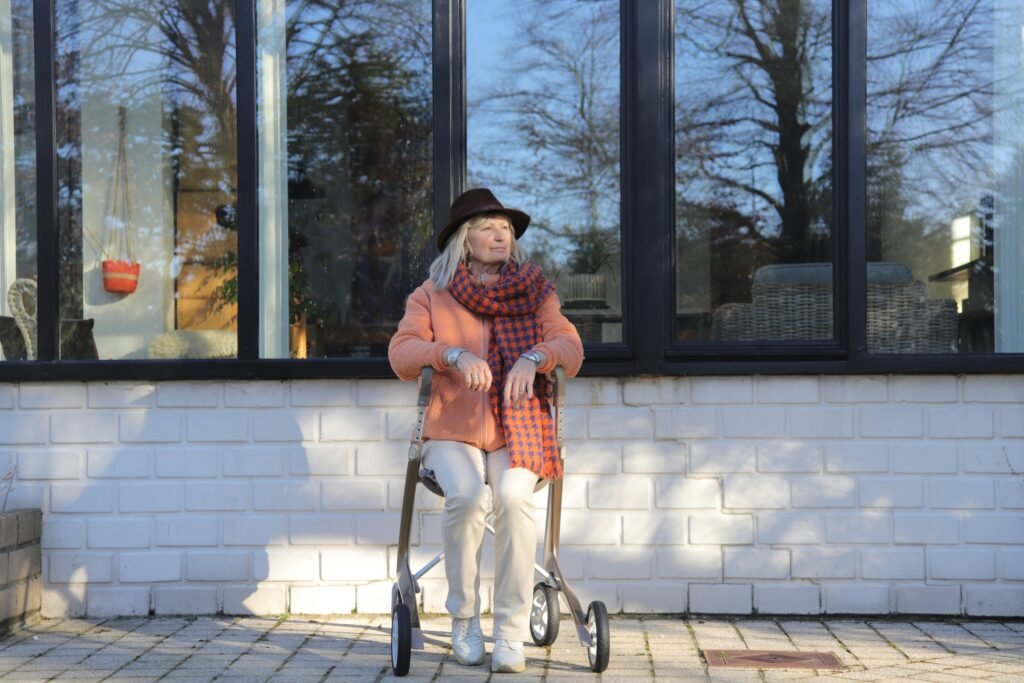
- Choose warm socks and non-slip slippers indoors.
- Keep a blanket or shawl handy in favorite sitting spots.
Loose, soft fabrics are easiest for seniors to put on and take off.
Preparing for Storms and Power Outages
New Jersey winter storms can knock out power for hours or days. Help your loved one prepare ahead of time.
- Stock flashlights, fresh batteries, and a battery-powered radio.
- Keep extra blankets and warm clothing within easy reach.
- Store a few days of non-perishable food and bottled water.
- Refill important prescriptions before a storm arrives.
- Keep phones charged and a backup charger ready.
- Make a list of emergency contacts in large, clear print.
If your loved one relies on equipment that needs electricity, talk with their doctor or utility company about a backup plan.
Nutrition and Staying Active Indoors
Cold weather can lead to less movement and poorer eating, which both affect health. Warm, balanced meals such as soups, stews, and oatmeal are comforting and easy to prepare. Encourage plenty of fluids, since people often drink less when it is cold even though hydration still matters.
Staying active indoors keeps muscles strong and spirits up. Gentle stretching, walking laps inside the home, or seated exercises can all help. Always check with a physician before starting any new exercise routine.
Reducing Winter Isolation
Short days and harsh weather can leave seniors stuck inside and lonely. Isolation is more than a mood problem; it can affect overall health. Help your loved one stay connected through regular phone or video calls, visits when weather allows, and small daily routines that give the day shape.
How Caregivers Help During NJ Winters
A caregiver can make winter far safer and warmer. At Hephzibah Healthcare Services, our Certified Home Health Aides provide non-medical support that fits the season, including:
- Help with bathing, dressing, and getting around safely indoors
- Light housekeeping and keeping walkways inside clear of clutter
- Warm meal preparation and grocery support
- Medication reminders so doses are not missed during storms
- Companionship to ease the winter blues
Every care plan is created and supervised by a Registered Nurse, and we serve families across Bergen, Passaic, Morris, Sussex, and many other New Jersey counties.
Frequently Asked Questions
How warm should an older adult’s home be in winter?
A setting around 68 to 70 degrees is a good starting point, and warmer if your loved one still feels cold. Seniors lose heat more easily, so do not let the home get too cool to save on heating bills.
What are the first signs of hypothermia to watch for?
Look for shivering, cold or pale skin, confusion, slurred speech, and unusual drowsiness. If you see these, warm the person gently and call 911 right away.
Can a caregiver help with snow and errands?
Caregivers provide non-medical support such as light housekeeping, meal prep, and companionship, and they can help arrange safe errands. For heavy snow removal, families often arrange a separate service, and a caregiver helps keep indoor pathways safe.
Ready to Get Started?
Winter does not have to be a worry. Hephzibah Healthcare Services can help your loved one stay warm, safe, and connected all season. Call us at (201) 546-8969 or visit hephzibahealthcare.com/contact for a free consultation and personalized care plan.